CHAT GPT: a helping hand to boost ideas at agencies
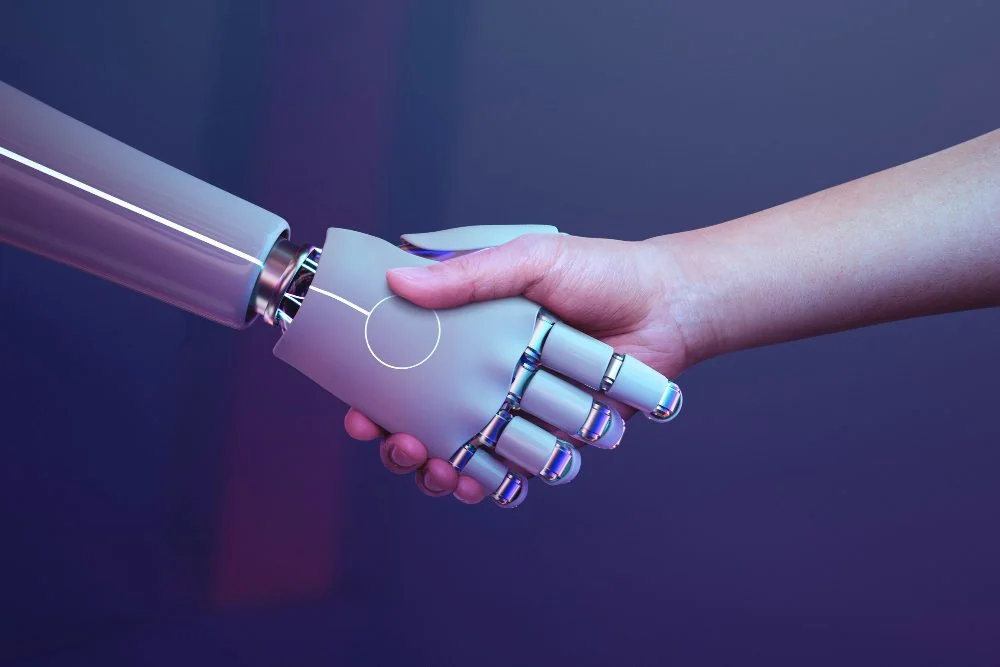
Artificial intelligence is taking up more and more space in our daily lives, changing the way we communicate, work and relate to the world. One of these incredible advances is CHAT GPT, developed by OpenAI, which promises to give marketing and communication agencies a real boost. In this post, we talk about how CHAT GPT can drive ideas and make agency work even better, without the worry of replacing professionals.
CHAT GPT and agencies: a winning partnership
CHAT GPT is a highly advanced language model, able to understand and write text in an impressively natural and coherent way. This technology can be a real asset for agencies, because:
- It boosts efficiency: with CHAT GPT lending a hand, marketing and communication professionals can generate ideas, sketch campaigns and create content faster and more easily. That frees the team to focus on the strategic and creative work that really makes a difference.
- Supercharged personalisation: CHAT GPT can be used to create personalised marketing campaigns for different audiences and segments, making messages more relevant and effective. This can have a very positive impact on campaign results and return on investment.
- First-class content: CHAT GPT can offer insights and ideas that help improve the quality and originality of content. The ability to write creative, engaging copy can be a real differentiator for agencies in an increasingly competitive market.
Driving ideas, complementing human work
Despite all the benefits, many people worry that artificial intelligence could take professionals' jobs. The good news is that CHAT GPT is not here to replace anyone. In fact, it works as a tool that complements and enriches human work.
CHAT GPT can help marketing and communication professionals explore new ideas, find innovative solutions and sharpen their creative skills. Instead of threatening jobs, this technology has the potential to expand work opportunities and push agencies forward.
CHAT GPT is a revolutionary technology that can give the marketing and communication industry the push it was missing. Far from being a threat to jobs, this innovation has everything it takes to drive ideas, increase efficiency and enrich agency work. Professionals and companies that adopt this tool will be able to stand out in the market and prepare for the future of communication, always with the essential human touch.